Black History Month 2026: From Resistance to Resilience and Economic Empowerment
TABLE OF CONTENTS
Introduction: The 2026 Vision
As we observe Black History Month in February 2026, the national conversation has shifted from symbolic gestures toward a deeper, more rigorous focus on Black Economic Empowerment and Systemic Resilience. While the year 2026 marks the official theme of "African Americans and the Arts," the leaders on the ground are proving that the "art" of liberation requires a masterclass in policy, healthcare advocacy, and financial sustainability.
In this landmark year, we aren't just looking back at the pioneers of the past; we are highlighting the architects of the future. The leaders featured in this report are navigating a landscape where Diversity, Equity, and Inclusion (DEI) initiatives are under fire, yet their organizations are growing and pivoting, proving that the Black nonprofit sector is an indispensable pillar of American democracy.
The State of Black Leadership in 2026
The 2026 nonprofit landscape reveals a paradox of progress. While Black-led organizations have seen a 25% increase in multi-year unrestricted funding since 2020, a significant "trust gap" remains in traditional philanthropy. Today’s leaders are counteracting this by building "circular economies", models where earned revenue, community-centered grantmaking, and grassroots donor bases create a shield against shifting political climates. From the voting booths of the South to the nursing stations of our national hospitals, Black leadership in 2026 is defined by a refusal to wait for permission to thrive.
Key Black History & Impact Statistics for 2026
- The Funding Gap: Despite recent progress, Black-led nonprofits still receive 40% less in unrestricted funding than their white-led counterparts, a disparity that these leaders are closing through innovative earned-revenue models.
- Economic Impact: The "Black Dollar" circulation in the U.S. is projected to hit $2.1 trillion in 2026, yet Black-led organizations only receive a fraction of 1% of total corporate philanthropic giving.
- The Health Disparity: Black Americans are 20% more likely to experience serious mental health problems, yet only one in three Black adults who need mental health care receives it, a gap the National Black Nurses Association is closing through policy advocacy.
- The Nursing Shortage: As of 2026, Black nurses represent approximately 10% of the U.S. nursing workforce, while the NBNA works to double this number.
- Museum Sustainability: Organizations like the Whitney Plantation are leading the sector with a 90% earned revenue model, significantly higher than the 35-40% average for most historical museums.
- Voter Mobilization: Black Voters Matter has expanded its reach to 27 states, proving that year-round community engagement increases voter turnout in local "off-cycle" elections by nearly 12%.
The Human Side of Progress: Five Leaders Redefining the Future
To bridge the gap between global statistics and individual impact, we sat down with five visionary leaders who are redefining Black leadership in 2026. These conversations explore the "full-spectrum" response required to support Black communities today. From managing advocacy groups to preserving the unvarnished history of the Plantation South, these leaders offer a rare look at the intersection of personal resilience, innovative financial models, and bold public policy.
In the following profiles, you will discover how these executives are tackling the most pressing challenges of the decade: the erasure of history, the weaponization of DEI, and the need for self-sustaining economic models. Their shared insights reveal a roadmap for a future where equity is not a buzzword, but a lived reality.
Venkayla Haynes & Black Voters Matter: Beyond the Ballot
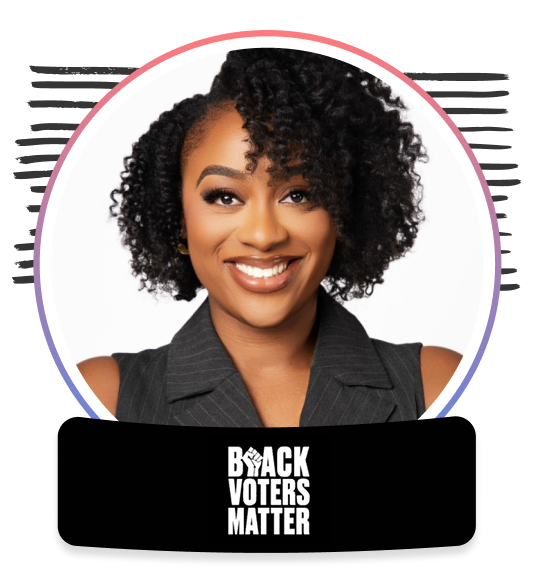
Venkayla Haynes, the Director of Communications for Black Voters Matter (BVM), views her work through the lens of trauma-informed advocacy. Her personal journey as a survivor of childhood sexual abuse has fueled a career dedicated to helping others find their voices. At BVM, she has transitioned from a digital strategist to a leader who ensures that the organization’s messaging is not just about voting, but about the "core issues" that drive people to the polls: healthcare, affordable housing, and criminal justice reform.
Operationally, BVM functions as both a mobilizer and a funder, supporting 700 partners across 27 states. Venkayla emphasizes that their work is not "seasonal"; they are active in 11 core states and a dozen "lite states" year-round. Their partnership model is built on trust, including strategic digital organizing, media amplification, data infrastructure, fundraising training, and direct assistance with nonprofit formation and status setup. For Venkayla, leadership is about uplifting the team and ensuring those on the front lines have the tools and self-care they need to stay in the fight
Learn More - https://blackvotersmatterfund.org
Sheldon D. Fields & The National Black Nurses Association: Advocacy in Scrubs
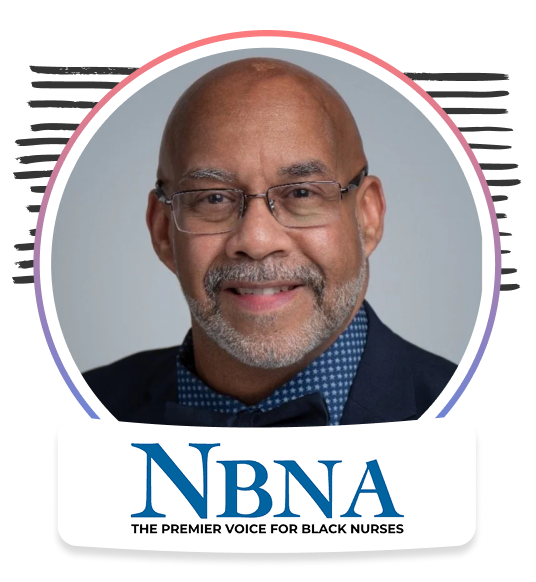
Dr. Sheldon D. Fields, the 14th President of the NBNA, represents a legacy born out of exclusion. Founded in 1971 after decades of Black nurses first being barred from the American Nursing Association and then excluded from full member participation, the NBNA has grown into a powerhouse with 100 chapters in 32 states including the District of Columbia. Sheldon’s own journey was inspired by his aunt Lorraine LeGall, a nurse who provided a steadying force in his life. Today, he balances his administrative role as the Associate Dean for Equity and Inclusion at the Penn State Nese College of Nursing with NBNA's national mission to eliminate health disparities in Black and Brown communities.
Under Sheldon’s leadership, the NBNA has moved beyond just professional networking to become a legislative force. Their annual "Black Nurses Day on Capitol Hill" brings key advocacy items, such as Black maternal health and gun violence prevention, directly to Congress. Sheldon has pioneered a unified proactive community focused chapter model and "The 1971 Project", NBNA's first capital fundraising campaign to ensure the organization’s sustainability. For him, leadership is about global impact, evidenced by recent medical missions to Ghana and a commitment to mentoring the next generation of Black nursing professionals prepared to lead in all areas of healthcare.
Learn More - https://nbna.org/
Khadeja Raven Anderson & Ravensong ConsultingNL: The Pedagogy of Anti-Racism
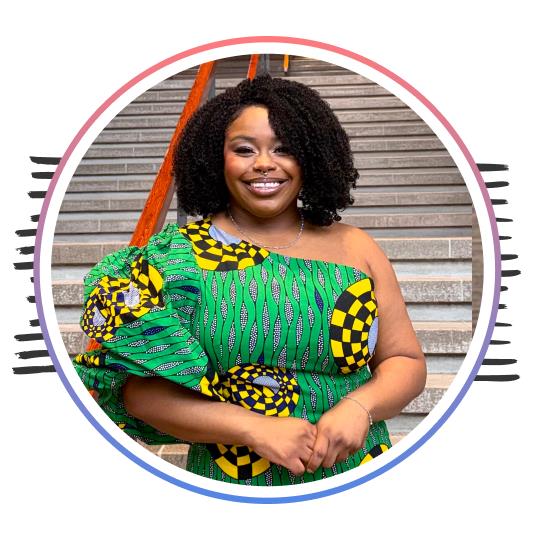
Khadeja Raven Anderson, Anti-Racism Systems Strategist, Organizational Equity Consultant and Black Leadership & Accountability Advisor with roots in Trinidad and Tobago, brings a global perspective to the fight against anti-Black racism in North America. Her journey into history of trade relations eventually led her to Canada, where her personal experiences with discrimination transformed her into a leader in anti-racism education. Through her firm, Raven Thorn Consulting, she works to embed justice and "teachability" into the workplace, challenging the systemic erasure that often occurs in both the nonprofit and corporate sectors.
Khadeja is a vocal advocate for "Black Liberation" through integration and justice, rather than competition. She points to the alarming trend of Black women losing non-profit leadership roles and argues for a collaborative approach to power. Her work with Black Lives Matter NL and her consulting initiatives focus on creating inclusive programs that start with pedagogy at a young age. For Khadeja, leadership is about being a "connector", using her platform to ensure that marginalized communities are not just invited to the table, but are the ones designing the menu.
Amanda Hollowell & Color of Change: Reducing Harm in Real Time
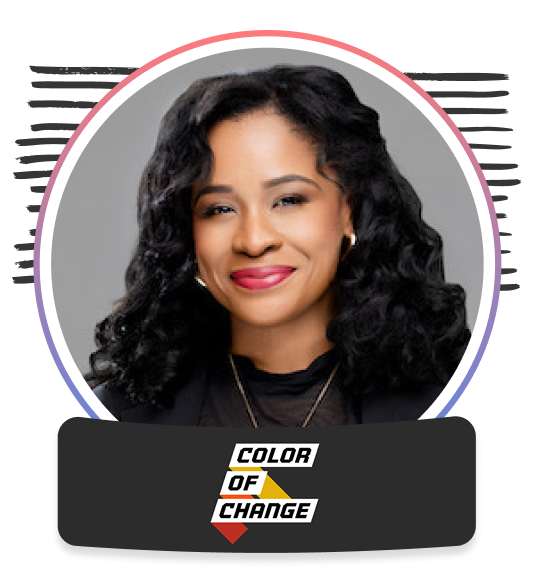
As the Chief of Campaigns for Color of Change, Amanda Hollowell leads the nation’s largest online racial justice organization. Her background in community service and student government prepared her for a role that requires analyzing modern atrocities, from ICE-related violence to corporate over-surveillance, and translating them into actionable solutions for the Black community. Amanda’s work focuses on reducing harm, particularly in the face of disinformation and the rollback of DEI initiatives.
Amanda is particularly concerned with the current political attacks on health-related research and DEI, which she bluntly describes as a policy that is "killing people." She leads campaigns that hold corporations accountable and combat the erasure of Black contributions to American history. Her leadership style is critical and solution-oriented, encouraging her team to challenge conventional approaches to social issues. For Amanda, fundraising in 2026 requires constant adaptation and a deep connection to the history of Black resistance.
Learn More - https://colorofchange.org/
Ashley Rogers & Whitney Plantation: Preserving the Unvarnished Truth
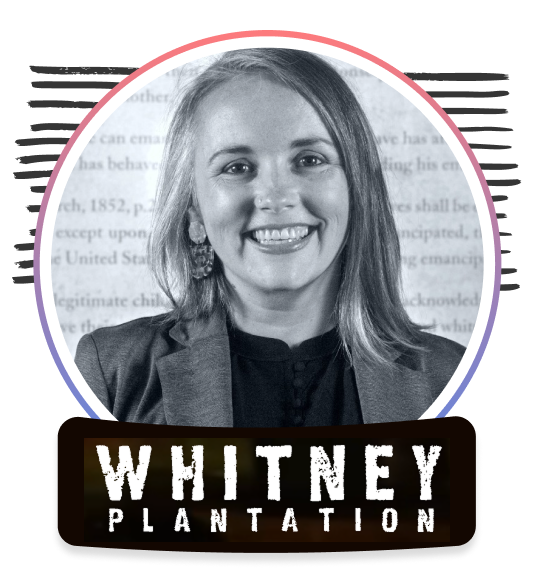
Ashley Rogers has spent 11 years transforming the Whitney Plantation from a historical site into a world-renowned museum of slavery. Her motivation is rooted in a desire to challenge traditional "moonlight and magnolias" narratives by centering the perspectives of enslaved people. Under her direction, the Whitney has become a site of education and mourning, featuring memorials and rotating exhibits that connect the history of the Plantation South to contemporary social policies.
The Whitney Plantation stands out in the museum sector for its remarkable 90% earned revenue model. This financial independence allows Ashley to maintain an unvarnished version of history without fear of losing donor support for "uncomfortable" truths. While she is currently working to diversify funding to protect against natural disasters such as hurricanes, the organization’s ability to raise $100,000 through a single email campaign demonstrates the deep trust it has built with its audience. Ashley’s leadership is defined by the distinction between management and true leadership, a commitment to continuous self-reflection, and historical integrity.
Learn More - https://whitneyplantation.org/
Lessons from the Leaders
- Economic Autonomy is the Ultimate Shield: Leaders like Ashley Rogers (Whitney Plantation) and Sheldon Fields (NBNA) are proving that earned revenue and capital campaigns are essential. When 90% of your budget is self-generated, you can tell the "unvarnished truth" without fear.
- Trauma-Informed Leadership: Venkayla Haynes and Amanda Hollowell emphasize that leadership in 2026 must be trauma-aware. This means prioritizing the mental health of staff and community members to sustain the long-term work of social justice.
- Collaboration Over Competition: Khadeja Raven’s focus on the "loss of non-profit jobs by Black women" is a call to action. The most successful leaders in 2026 are those who act as "connectors," sharing resources rather than hoarding them.
- Policy is Personal: Whether it's the NBNA’s Black Nurses Day or BVM’s focus on city budgeting, 2026 leadership is about translating community needs into legislative action.
What You Can Do: Small Choices, Big Impact
- Fund the "Lagniappe": When you support Black-led organizations, look for those with sustainable models where your donation acts as a "bonus" (Lagniappe) for growth rather than just basic survival.
- Audit Your Media Diet: As Amanda Hollowell suggests, be critical of the information you consume. Support organizations that fight disinformation and preserve Black history.
- Invest in Mental Health: Follow the lead of the NBNA and BVM—prioritize mental health advocacy in your own community to bridge the 20% disparity in care.
- Learn the Local Budget: Like BVM, look at your own city’s budget. Real change happens when communities understand where the money is going.
Ready to leave your footprints?
Talk to the team that has helped 1,200+ organizations such as yours run amazing virtual & hybrid races.