National Cancer Prevention Month 2026: From Financial Toxicity to the 70% Survival Milestone
TABLE OF CONTENTS
Introduction: The Milestone Year
February 2026 marks a historic turning point in the fight against cancer. For the first time in medical history, the 5-year relative survival rate for all cancers combined has officially hit 70%. While we celebrate this "comma" in the sentence of a diagnosis, National Cancer Prevention Month remains a call to action. With research showing that nearly 40% of cancer cases are linked to preventable lifestyle and environmental factors, the 2026 theme, "Small Choices, Big Impact," reminds us that prevention is not about perfection — it is about reducing risk where we live, work, and play.
The Scale of the Crisis

The landscape of cancer in 2026 is one of dramatic contrasts. On one hand, an estimated 2.1 million Americans will receive a diagnosis this year, and certain cancers, like colorectal cancer in adults under 50, are rising at an alarming rate of nearly 3% annually. On the other hand, the "immunotherapy revolution" has transformed outcomes for patients with previously untreatable advanced-stage disease. However, as medical survival climbs, a secondary crisis has emerged: Financial Toxicity. Today, 1 in 3 survivors faces significant debt, proving that surviving the disease is only half the battle.
Key Cancer Statistics for 2026
- The 70% Survival Milestone: For the first time in history, the five-year relative survival rate for all cancers combined has reached 70% (up from 49% in the mid-1970s). This reflects the massive impact of early detection and the "immunotherapy revolution."
- Preventability Gap: Approximately 40% of all cancer cases diagnosed in 2026 are considered preventable through modifiable lifestyle factors, specifically tobacco use, diet, physical inactivity, and alcohol consumption.
- The Rise of Early-Onset Cancer: Colorectal cancer is now the #1 cause of cancer death for adults under age 50. Incidence in this age group is rising by roughly 2.9% annually, often because younger adults are diagnosed at more advanced stages.
- Financial Toxicity: Nearly 50% of patients report significant "financial toxicity," with over 34% of survivors forced to borrow money or go into significant debt to afford life-saving treatments.
- The Survivorship Surge: There are now approximately 20 million cancer survivors living in the United States. This shift has turned cancer into a "chronic condition" for many, necessitating a new focus on long-term quality of life and side-effect management.
- Tobacco’s Persistent Toll: Despite decades of awareness, tobacco remains the leading preventable cause of cancer, responsible for 15% of all new diagnoses and nearly 30% of all cancer deaths in 2026.
- Screening Underutilization: While survival for localized lung cancer is 65%, only 18% of eligible high-risk individuals currently undergo recommended screenings, missing a critical window for early intervention.
The Human Side of the 70%: Seven Leaders Redefining the Fight
To bridge the gap between global statistics and individual impact, we sat down with seven visionary leaders who are redefining what it means to fight cancer in 2026. These conversations go beyond the clinical, exploring the "full-spectrum" response required to support the 20 million survivors currently living in the United States. From the halls of state government to grassroots community hotlines, these leaders offer a rare look at the intersection of personal resilience, innovative financial models, and bold public policy.
In the following profiles, you will discover how these executives are tackling the most pressing challenges of the decade: the hidden crisis of financial toxicity, the urgent need for culturally specific prevention, and the transition of cancer from an acute emergency to a manageable chronic condition. Whether they are managing a $6 billion research fund or providing a "financial bridge" for a single mother in treatment, their shared insights reveal a roadmap for a future where a diagnosis is no longer a life sentence, but a call to a community that refuses to let anyone walk the path alone.
Suzanne Stone & Livestrong: Scaling the Spirit of Survivorship
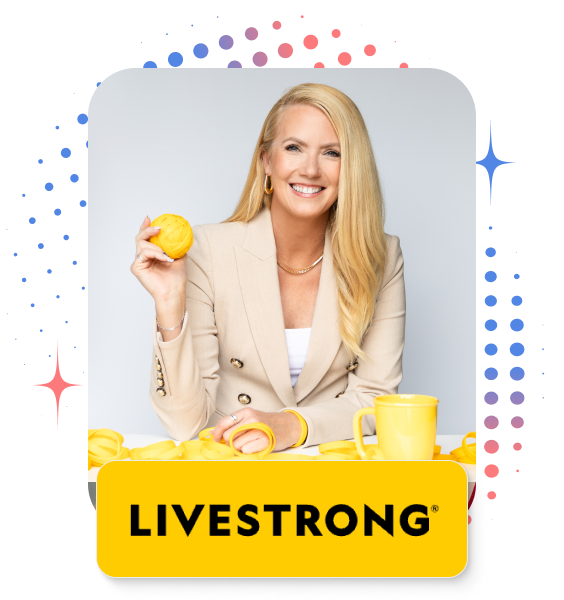
Suzanne Stone joined Livestrong in 2019, bringing a background in television production and a passion for mission-driven scaling. Her journe y with the organization has been one of humanizing a global titan. She reflects on how Livestrong evolved from being perceived as a distant, massive entity into a relatable powerhouse centered on the core belief that no one should face cancer alone. For Suzanne, the yellow wristband remains the ultimate symbol of community, but her work ensures that symbol is backed by robust, scalable support systems.
In terms of sustainability, Suzanne has pioneered a "micro-business" strategy that treats individual programs as self-sustaining engines. A prime example is her transformation of the foundation's fertility initiative. Originally operating at a $350,000 annual loss, the program was restructured through partnerships with 150 clinics that now provide discounts and financial support. This shift not only generates $90,000 in revenue but also ensures the program's longevity. Suzanne views donor funding not as a safety net for operations, but as "jet fuel" intended to propel proven models into new territories.
Her leadership style is defined by a commitment to scale and the removal of ego. Suzanne believes that the greatest barrier to impact is a leader's need for control; instead, she prioritizes surrounding herself with experts and being brave enough to push personal boundaries. She sees her role as a facilitator of collective action, ensuring that Livestrong remains an adaptable "safety net" for the 20 million cancer survivors navigating life in 2026.
Learn More - https://livestrong.org/
Amanda Joy Pullinger & Debbie’s Dream: Confronting the Silent Threat
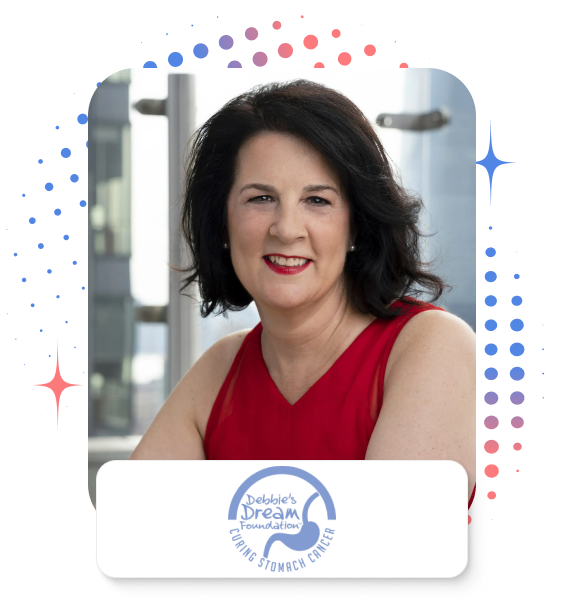
Amanda Joy Pullinger leads Debbie’s Dream Foundation with the unique perspective of a breast cancer survivor who transitioned from the male-dominated world of high finance to nonprofit advocacy. She notes that while breast cancer has reached a high level of public discourse, stomach cancer remains a "silent threat" due to a lack of awareness and specific diagnostic tests. Her work focuses on bridging this gap, ensuring that patients navigating the often-confusing symptoms of gastrointestinal distress find a clear path to answers and support.
A cornerstone of Amanda's prevention strategy is raising awareness about H. pylori, a bacteria prevalent in nearly 70% of stomach cancer cases. While annual testing is routine in countries like Japan, it remains underutilized in the U.S. and UK. Amanda advocates for increased federal research funding and routine testing, particularly for veterans and vulnerable populations. Her foundation operates as a hub for research, awareness, and virtual support groups, creating a global network for a disease that is too often diagnosed in its latest, most dangerous stages.
Amanda’s leadership philosophy centers on "Visibility and Decisiveness." She describes a leader as a compass rather than a map, able to point the way even when the terrain changes unexpectedly, as it did during the global shifts of the early 2020s. She encourages young leaders to build peer networks early, emphasizing that mentorship is most effective when it comes from those walking alongside you. By remaining a visible role model, Amanda seeks to inspire a diverse next generation of researchers and advocates to pursue careers in oncology.
Learn More - https://debbiesdream.org/
David Levine & ASBN: Legislating for a Non-Toxic Future
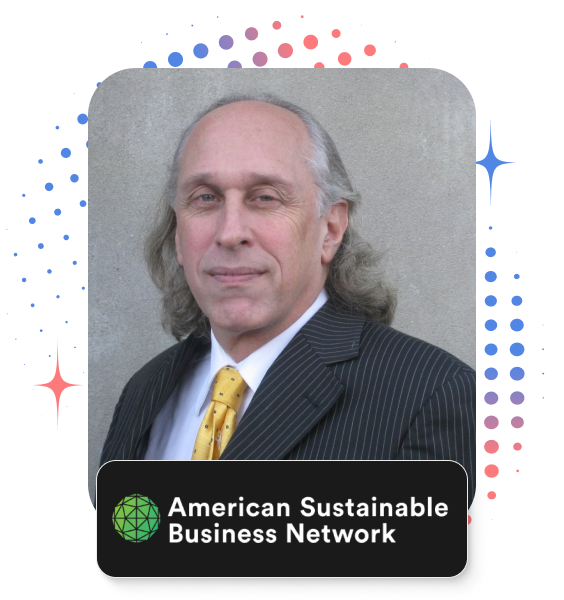
David Levine, co-founder of the American Sustainable Business Network (ASBN), has spent decades proving that a sustainable economy and public health are inextricably linked. His journey began with a mission to amplify the voices of values-based businesses in the halls of power. By 2026, ASBN had become a key player in shaping environmental policy, consistently arguing that there is a sound business case for removing carcinogens from our supply chains and communities.
ASBN’s work in cancer prevention focuses on the "upstream" causes: the toxic chemicals found in everyday products. The American Sustainable Business Council and its Companies for Safer Chemicals campaign was instrumental in providing the business engagement that helped in passing the Frank Lautenberg Chemical Safety Act and continues to lead initiatives that address the role of chemicals in childhood cancer. His organization recently released a comprehensive report bringing together advocates, scientists, and business leaders to provide actionable recommendations for prevention. By focusing on solutions such as green chemistry and renewables, rather than just the problems, David provides a roadmap for businesses to lead the charge in health advocacy.
David’s leadership style is rooted in facilitation and mutual respect. He believes that true impact comes from building alliances that transcend individual sectors. He advises aspiring leaders to find roles that complement their passions and to prioritize self-care to avoid the burnout common in high-stakes advocacy. For David, sustaining a movement requires a network of allies who are as committed to the process of collaboration as they are to the ultimate goal of a non-toxic future.
Learn More - https://asbnetwork.org/
Childhood Cancer: Cross-Sector Strategies for Prevention report
Safer Chemicals & Circular Economy
Elana Silber & Sharsheret: Cultural Competency in Genetic Care

Elana Silber has spent 23 years with Sharsheret, rising from a volunteer to the CEO of a national organization that serves 10,000 women annually. Sharsheret was founded to address the unique needs of Jewish women facing breast and ovarian cancer, particularly the 1 in 40 risk of a Jewish person carrying a BRCA mutation as compared to one in 400 in the general population. Sharsheret educates the community about the risks and the measures you can take today to protect your health. Elana has overseen the organization's growth from a peer-support network into a national powerhouse with five U.S. offices, all while maintaining a deeply personal, "high-touch" approach to care. While rooted in the Jewish community, Sharsheret serves all women of all backgrounds.
Financially, Elana has mastered a grassroots fundraising model that prioritizes a broad base of support over a few large donors. With an average gift under $1,000, Sharsheret receives over 16,000 donations annually, providing the unrestricted funding necessary to offer free emotional support, genetic and mental health counseling, financial assistance, and lifesaving education. Elana notes that 83 cents of every dollar goes directly to programming, including over $1.5 million in annual financial aid for non-medical expenses like wigs and tattoos, costs often overlooked by traditional insurance.
Elana’s leadership is defined by "Work-Life Integration" and the power of community feedback. She ensures that every new program Sharsheret launches is vetted by the very people it serves, using focus groups and evaluations to stay aligned with community needs. She encourages her team to take scheduled breaks and prioritize exercise, believing that a healthy staff is essential to providing compassionate care. Her advice to new leaders is simple: find work that is meaningful enough to sustain your passion for decades, as she has.
Learn More - https://sharsheret.org/
Molly MacDonald & The Pink Fund: A Financial Bridge to Hope
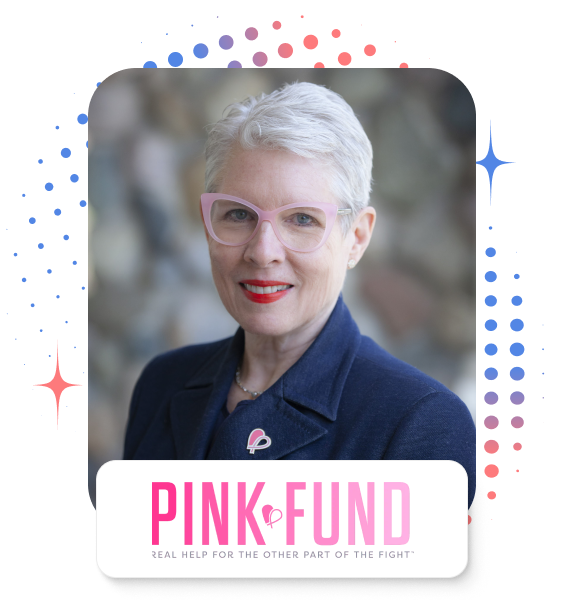
Molly MacDonald founded The Pink Fund out of necessity after her own 2005 breast cancer diagnosis led to job loss and a terrifying descent into "financial toxicity." She realized that for many, the cost of the "cure" was just as devastating as the disease. Today, the Pink Fund is a leader in providing direct financial assistance to breast cancer patients, helping them cover essential non-medical expenses like housing, transportation, and utilities so they can focus on their recovery without the threat of eviction or repossession.
Sustainability for the Pink Fund involves a sophisticated mix of revenue streams, including individual donors, corporate sponsors, and a national publication, Breast Cancer Wellness. Molly recently adjusted the fund's criteria to focus on those at 300% of the federal poverty level, ensuring resources are directed to those in the most urgent need. By maintaining a three-month cash reserve, the organization has created a buffer against the funding squeezes that often cripple smaller nonprofits. Molly views her organization as a stabilizing force that addresses the immediate symptoms of a fractured healthcare system.
Molly practices "Servant Leadership," focusing on empowering her team and fostering a culture of mutual respect. As she prepares for retirement over the next two years, her focus is on succession planning and ensuring the organization’s culture remains intact. She advocates for immediate conflict resolution and open communication, believing that the emotional weight of their work demands a supportive, transparent environment. Her legacy is one of turning personal trauma into a national "Financial Bridge" for thousands of families.
Learn More - https://pinkfund.org/
Kristen Doyle & CPRIT: The $6 Billion Catalyst
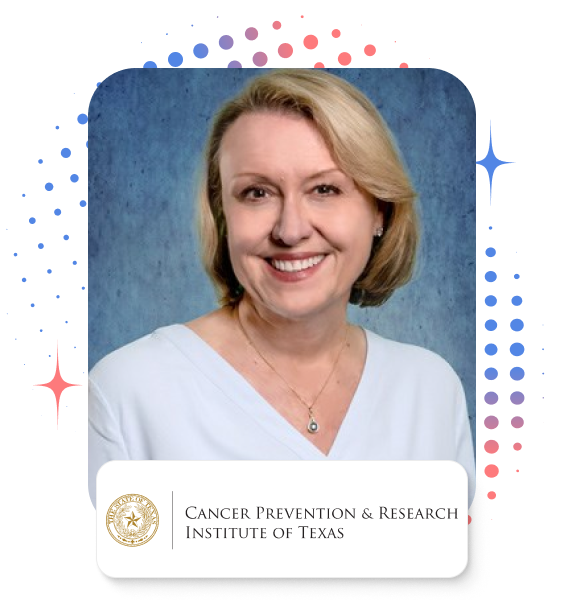
Kristen Doyle’s journey from corporate lawyer to CEO of the Cancer Prevention and Research Institute of Texas (CPRIT) was sparked by her own diagnosis of leukemia. Driven by the realization that life-saving treatments should not be a matter of luck, she now leads one of the largest state-funded cancer research initiatives in the world. Kristen manages a $6 billion fund that awards nearly $300 million in grants annually, positioning Texas as a global hub for oncological innovation and recruitment.
CPRIT’s impact is measured not just in dollars, but in its role as a "catalyst." By funding 78 early-stage companies with $825 million, the organization has helped those entities leverage an additional $8 billion in private funding. Beyond the lab, Kristen is passionate about "Prevention in the Trenches." She oversees projects in all 254 Texas counties, using creative outreach strategies, such as partnering with local Vietnamese soap operas, to weave screening messages into culturally specific media. This "boots-on-the-ground" approach ensures that innovation reaches the underserved communities who need it most.
Kristen’s leadership is characterized by a "Systems-First" mindset. She balances the high-level legal complexities of state grant-making with the human reality of the patients her funding serves. She views her role as a bridge between the academic, corporate, and nonprofit sectors, working to ensure that the $6 billion in taxpayer dollars is used as efficiently as possible to accelerate the path to a cure. For Kristen, leadership is about ensuring that the progress she witnessed in her own treatment becomes the standard of care for everyone.
Learn More - https://www.cprit.texas.gov/
Diana Zuckerman and Cancer Prevention & Treatment Policy and Information
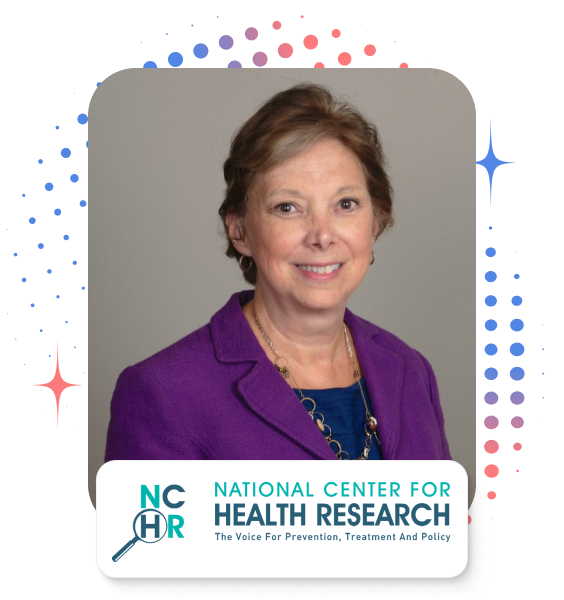
Diana Zuckerman, President of the National Center for Health Research (NCHR), brings the rigor of academia and the strategic mind of a former Congressional staffer to the fight against cancer. The center's largest program is their Cancer Prevention and Treatment Fund. Her work is rooted in the belief that the public deserves health information and policies that are not influenced by corporate or pharmaceutical interests. Diana has dedicated her career to health policy, specifically focusing on how legislation can prioritize prevention over the expensive, brand-name drugs that dominate the market.
In addition to training health professionals and meeting with policy makers, NCHR’s primary tool for prevention is communication. Diana oversees two websites that translate complex medical data into "Plain Language" (8th-12th grade reading level), empowering the average person to understand the links between diet, exercise, other health habits, our everyday environment, and cancer risk. She is a vocal advocate for corporate accountability, pointing out that while billions are spent on treatment, the "boring" work of prevention, like physical activity and chemical safety, is often underfunded because it isn't as profitable for large corporations. Her fundraising strategy has shifted away from traditional events toward digital engagement, reflecting the changing landscape of 2026 philanthropy.
Diana’s leadership style has evolved from that of a researcher to an "Inspirational Facilitator." She emphasizes the importance of making her team feel valued and included, particularly as she navigates the generational shifts in workplace expectations. Her advice to aspiring public service leaders is to find the joy in the work: the satisfaction of knowing that your policy brief or simplified health guide might have prevented a family from facing a cancer diagnosis in the first place.
Learn More - https://www.center4research.org/ https://www.stopcancerfund.org/
Lessons from the Leaders
- Revenue as "Jet Fuel": Across the board, these leaders have moved away from "scarcity" mindsets. Whether it is Suzanne’s clinic partnerships or Elana’s 16,000 grassroots donors, sustainability in 2026 is about creating predictable, diversified revenue streams that allow for aggressive scaling.
- The Rise of the Survivor-CEO: Five of the seven leaders interviewed are survivors themselves. This "Lived Experience" model is no longer an outlier; it is a competitive advantage that drives higher empathy, better program design, and deeper trust with donors.
- Prevention as Policy: From ASBN’s chemical safety work to NCHR’s plain-language health guides, the most effective prevention happens "upstream." 2026 leaders are spending as much time in legislative offices as they are in clinics.
- Cultural Nuance Wins: Kristen Doyle’s "Soap Opera" strategy and Elana Silber’s BRCA focus in the Jewish community prove that one-size-fits-all awareness is dead. To move the needle on the 70% survival rate, outreach must be culturally specific and linguistically accessible.
What You Can Do: Small Choices, Big Impact
- Update Your Screening Calendar: In 2026, the guidelines have shifted. Colorectal screenings now begin at 45, and breast cancer screenings at 40 for average-risk individuals.
- Audit Your Environment: Take a page from David Levine’s book—look at the chemicals in your household products and advocate for "Safer Choice" certified items at your local retailers.
- Support the "Invisible" Costs: When you donate, look for funds like The Pink Fund or Sharsherit that ensure a patient doesn't have to choose between their chemotherapy and their electricity bill.
- Know Your History: Talk to your family about their health history. Genetic awareness (like the BRCA testing mentioned by Elana) can turn a high-risk future into a manageable prevention plan.
Ready to leave your footprints?
Talk to the team that has helped 1,200+ organizations such as yours run amazing virtual & hybrid races.