From Stigma to Strength: HIV/AIDS Stories of Care, Community, and Change
TABLE OF CONTENTS
Introduction
Each December, World AIDS Day asks the world to pause and pay attention. Nearly 40 million people are living with HIV today, and millions more have died since the start of the epidemic. By just skimming the headlines, one might miss how much the story has changed — and how much work remains.
This blog pulls together voices from very different corners of the HIV community: prevention and harm reduction, youth programs, global children’s health, artisan cooperatives, and LGBTQ‑centered clinics — to show HIV as real people’s lives, not just case counts.
Request a Demo
Find out more about our fun, competitive and engaging virtual fitness challenges.
 Get In Touch
Where HIV/AIDS Stands Now
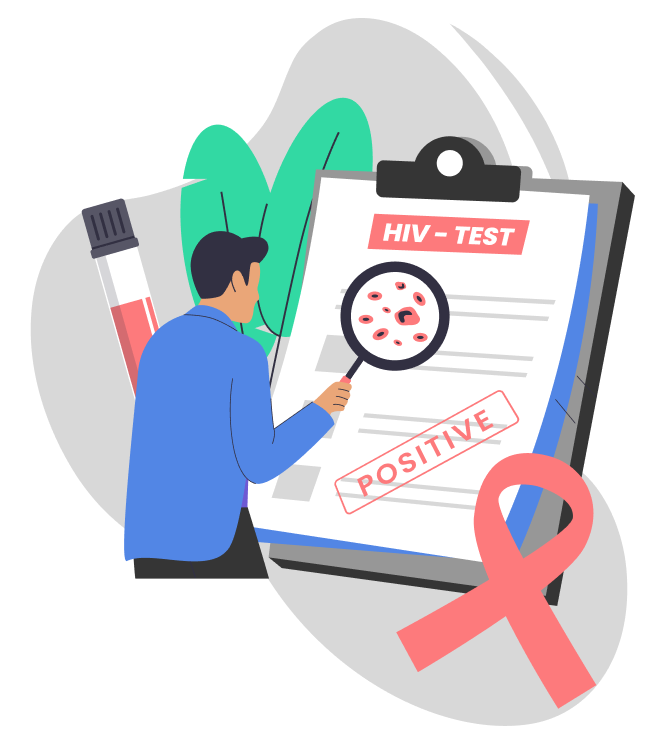
Around 39 million people were living with HIV in 2022, and roughly 1.3 million more acquired HIV that same year. Thanks to modern treatments and advancements in science, many people on antiretroviral therapy can lower the virus in their blood to “undetectable” levels — also known as U=U (i.e., Undetectable = Untransmittable) — which means they cannot sexually pass HIV to a partner.
These numbers fail to reflect how uneven the landscape remains. In many places, treatment remains difficult to access. For some communities, stigma and fear keep people away from getting tested. For others, basic needs such as food, stable housing, mental health support, and steady income still shape who can receive and/or stay in care and who quietly falls through the cracks. The leaders we spoke with and highlighted below are working in their own corners of the world to close the gap between what science says is possible and what people are actually living with day-to-day. We highlight their personal journeys and the fantastic work they and their organizations are doing in the HIV/AIDS space.
Our conversations also delved into broader questions about the nonprofit sector, including how these leaders think about fundraising, burnout, collaboration, and what “good” leadership looks like when the stakes are high. Through these conversations, we gained insight into their leadership styles. We hope that this blog:
- Gives other nonprofits concrete ideas they can adapt.
- Nudges prospective donors to support these kinds of thoughtful, community‑rooted organizations.
- Encourages emerging leaders to see that there is no single “right” way to lead — impact can come through volunteering, running a nonprofit, building CSR programs, investing in social impact, or simply showing up consistently for one community over time.
Nora Hanna & Until There’s A Cure: What a Bracelet Can Do

Until There’s A Cure was created in 1993 by two California mothers, Kathleen Scutchfield and Dana Cappiello, who were worried about how HIV/AIDS would affect their children and their generation. For Nora Hanna, HIV/AIDS stopped being distant news in 1994, when she lost two friends within months of each other. That loss eventually led her to Until There’s A Cure, where she has been Executive Director since 2008. The foundation wanted a simple, visible way to keep AIDS in the public eye and raise money for prevention, care, and vaccine research, which led to the idea of The Bracelet — modeled after POW/MIA bracelets from the Vietnam era. Most of their merchandise is now made by women and artisans who are living with HIV or have been rescued from sex trafficking in places like South Africa, Zambia, and India. The model is straightforward and intentional:
- They buy the bracelets directly from artisans, putting income in the hands of people who often have few other options
- They then reinvest the sales proceeds into HIV/AIDS research
Nora doesn't measure success in just dollars and cents. She firmly believes that real impact shows up when a grandmother can finally cover her granddaughter's school fees, when a rural women's cooperative gets enough support to keep its doors open another year, or when a college intern finishes their internship with a fire in their belly for public health work. In addition, she passionately discusses Until There’s A Cure’s support for vaccine research and organizations such as the Southern AIDS Coalition. The organization also runs a sister site, HIVLife.org, where students lead conversations about HIV, identity, and justice.
Leadership, in Nora’s mind, is less about hierarchy and more about listening and sharing responsibility, and empowering others. This leadership style is evident in how the foundation fundraises as well. Instead of a top-down approach, the foundation brings together staff, interns, artisans, and partner organisations into real decisions about what they sell and how they tell their stories.
Learn More - https://www.until.org/
Julio C.Roman & Pacific Pride Foundation: Meeting People Where They Are
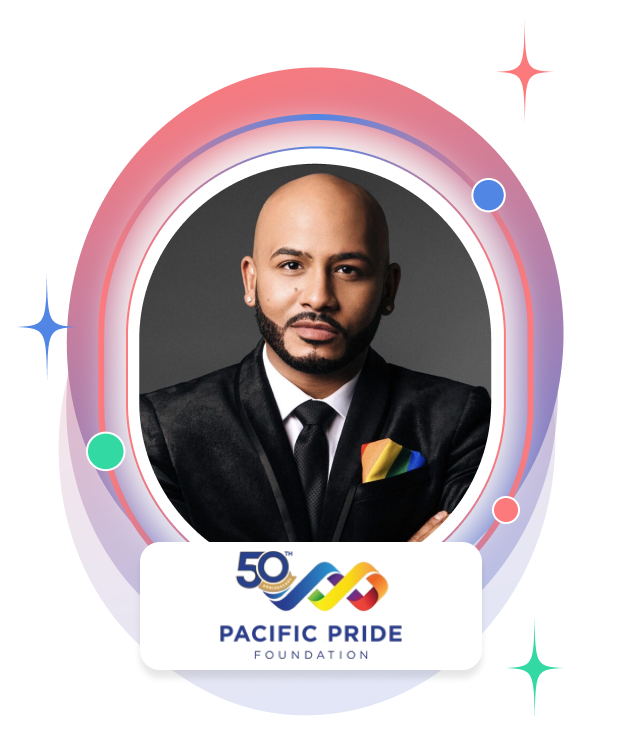
Based in Santa Barbara, Pacific Pride Foundation (PPF) has been part of the local landscape for decades, since its founding in the late 1970s. Currently, under the leadership of author and Executive Director Julio C.Roman, PPF is the largest LGBTQ organization between San Francisco and Los Angeles.
- They run syringe services programs that exchange used needles for clean ones while offering harm reduction counseling, overdose prevention training with Narcan distribution, and referrals to treatment.
- They provide counseling at the PRIDE Center for the LGBTQ+ individuals, people living with HIV/AIDS, and their loved ones and families — covering everything from relationship challenges and anxiety to newly diagnosed HIV support, gender identity issues, and substance recovery. Services are affordable on a sliding scale (in English and Spanish), with intake appointments free.
- They also provide HIV prevention, substance use support, mental health care, and community education, all run together, creating a safety net for Santa Barbara's LGBTQ+ community and beyond.
Julio brings over 25 years of LGBTQ and public health experience, with a strong commitment to Latinx communities. He gets the nuts and bolts — budgets, grants, staffing — but he also feels the weight of what people carry: exhaustion from being endlessly "studied”, the sting of stigma, the fear of not even feeling safe enough to walk through the door for help.
Funding never lets up. Neither does the pressure to boil down raw human experiences into neat, fund-friendly metrics. Julio's response? Hold both tight: the data proving you're reaching the masses, and the stories that make one person's trust rebuilt feel like a miracle.
Prevention work hits complex realities everyone in HIV knows too well: the dread of being spotted at an LGBTQ center, family violence or partner control, cultural silence around sex, and deep distrust of the system. These aren't abstract — they're why some people skip the tests, some skip PrEP, while others skip care altogether.
What drives Julio? Crystal-clear values that are non-negotiable: Empathy. Respect. Safety. No shortcuts. And his advice to the next generation? Dig into your own story — the beautiful parts, the broken ones — and lead from that honest place. Not perfection. Realness.
Learn More - https://pacificpridefoundation.org/
Marie Niles & BeeHIV+ Foundation: “If It Can Happen to Me…”
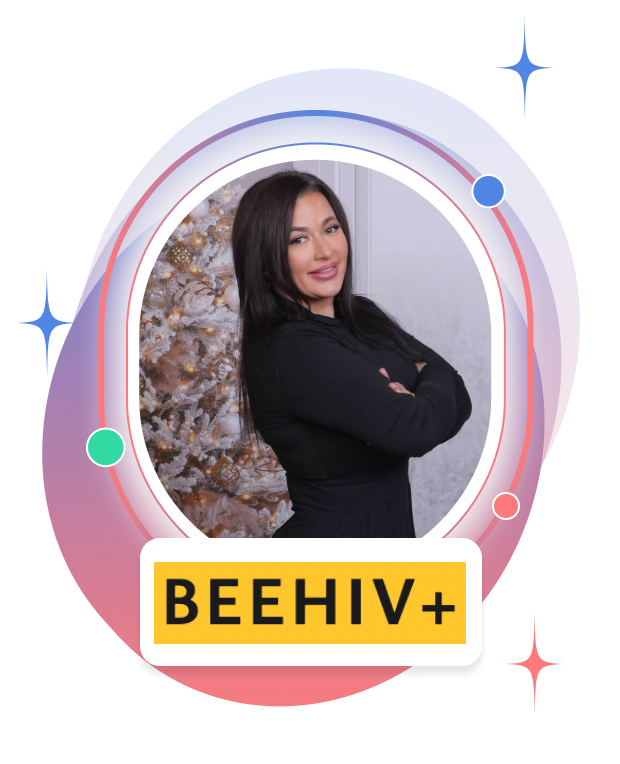
Marie Niles spent 30 years in surgery. She knew the textbook risk factors for HIV. She did not see herself in them. Then, at 49, she was diagnosed with HIV. The shock was real, and she had many questions: Who else is out there living with unexamined risk? Who is not getting tested because HIV “doesn’t look like them”?
In Phoenix, Marie created the BeeHIV+ Foundation to reach those people:
- Middle and upper-income folks who assume HIV is only a concern for other communities.
- Women and teenagers who do not see themselves in standard awareness campaigns.
Beehiv+ foundation focuses on education, free testing, and one‑on‑one help navigating the healthcare maze. Since the foundation’s launch in 2024, Marie has helped connect dozens of people to care and reached hundreds more through testing and educational events.
Her upcoming “Health as Wealth” program takes a different tack. It puts HIV inside a broader conversation about preventive care and long‑term wellbeing — a language that resonates with people when doing financial planning but not always when they think about their health.
Marie also works as a peer navigator in a research study on women living with HIV, adding yet another bridge between clinical work and lived experience. She is candid about the friction that can arise locally, especially when a small, new organization is viewed as competition rather than a partner. Her instinct, though, is to collaborate — whether that is through shared events, co‑branded merchandise, or virtual fitness and awareness challenges that bring more people into the conversation.
Learn More - https://beehivfoundation.org/
Edwin Rivera Cortez & Radiant Health Centers: Care That Starts With Stability
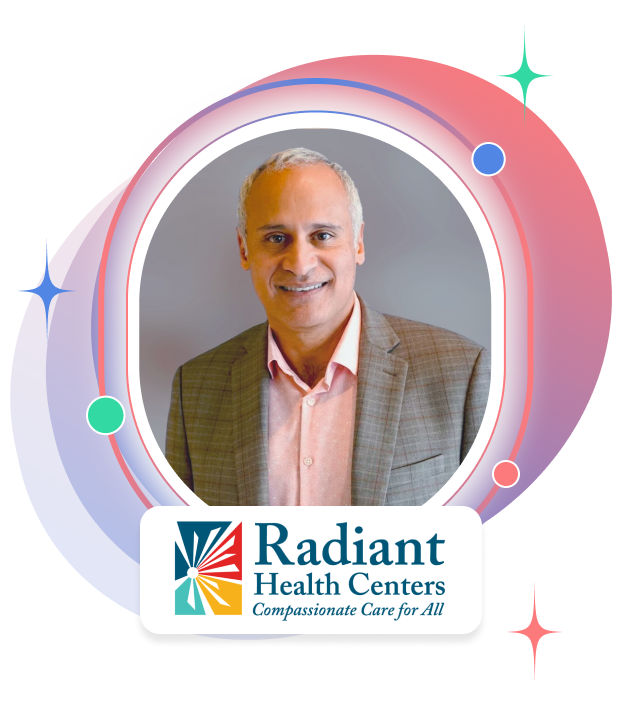
Radiant Health Centers, in Orange County, California, began as the AIDS Services Foundation of Orange County. Over time, it grew into a Federally Qualified Health Center serving the entire Orange County community and specializing in LGBTQ primary care, HIV services, and more.
According to Edwin Rivera-Cortez, Chief Developemnt and Communications Officer, Radiant’s work reflects a simple truth: HIV rarely shows up alone. People also face food insecurity, housing instability, depression, anxiety, and job loss at higher rates than the general population.
Radiant’s response includes:
- A clinic that cared for over 4,500 people in the past year.
- Food assistance ovef 150 people each month.
- Mental health support is available for all of its patients.
- A push to secure of permanent housing for their patients, on the principle that housing itself is healthcare.
On the prevention side, Radiant leans into education on PrEP and the realities of treatment today, including the ability to become undetectable and untransmittable. Edwin recognizes how powerful that message can be — and how limited it is if it never gets past fear and stigma.
For a gay man in some communities, for example, an HIV diagnosis is not just a medical issue; it can feel like a collision of religion, culture, masculinity, and family expectations. Radiant tries to meet that complexity head‑on, even in its language. Within the community, Edwin often uses “emotional wellness” rather than “mental health” because that framing feels more approachable.
Financially, Radiant relies on a blend of grants, donor support, events, and billing revenue, while weathering shifting political winds in healthcare. Edwin’s leadership style is quiet but intentional: invite people in, listen more than you speak, and remind everyone that changing even one person’s life is not a small thing it can have an exponential impact.
Learn More - https://www.radianthealthcenters.org//
Tanya Weaver & AFCA: Children, Context, and Long Games
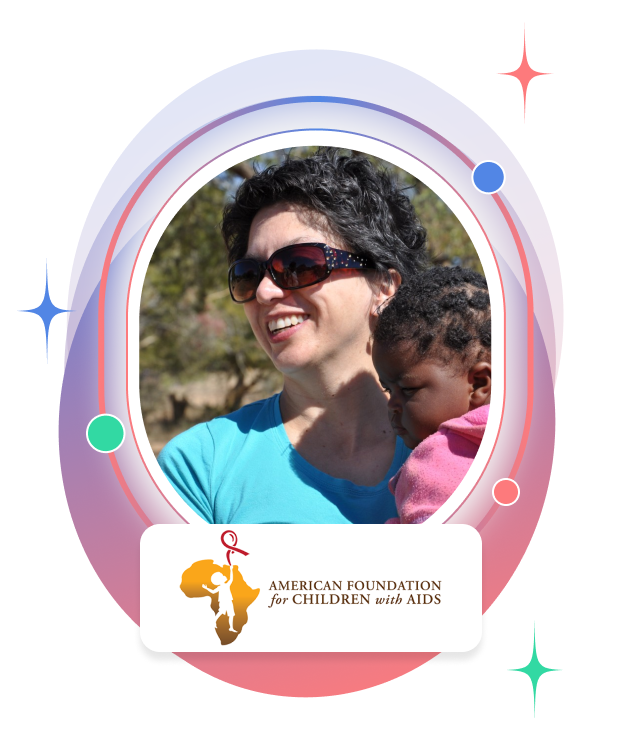
The American Foundation for Children with AIDS (AFCA) works in five African countries with children who are infected with or affected by AIDS. For Executive Director Tanya Weaver, the work began with an unexpected call while she was pregnant and living in Afghanistan: would she be willing to help start something for children with AIDS in Africa? Of course, she said yes, that’s just the kind of person she is - always giving, kind, and helping anyone and everyone she can.
AFCA’s work looks different depending on where you stand:
- In parts of Kenya, better roads and infrastructure enable intensive training for local partners and the development of long‑term, income‑generating projects. Five of those projects, linked to an orphanage, are now fully self‑sufficient thanks to initiatives such as water catchment and sustainable farming.
- In remote areas of Congo, the reality is different. Travel is slow, communication can be unreliable, and building skills takes longer. There, “success” looks more like a patient, ongoing partnership than a quick replication of the Kenyan model.
Across sites, the through‑line is the same: help children not just survive but grow into adults who can support themselves and others.
Tanya is candid about how difficult it is to do that work with a small team. She juggles multiple roles and knows they are not sustainable yet. She, along with the AFCA board, is working on succession, staffing, and diversified fundraising plans to reduce that risk. Her leadership is marked by curiosity and humility — by walking into each community as a learner and a partner rather than a fixer. This approach, Tanya says, not only helps build buy-in from local communities but also informs which solutions might work in that specific community.
Learn More - https://www.afcaids.org/
Marco Winkler & HealthHIV: Strengthening the System Behind the Scenes
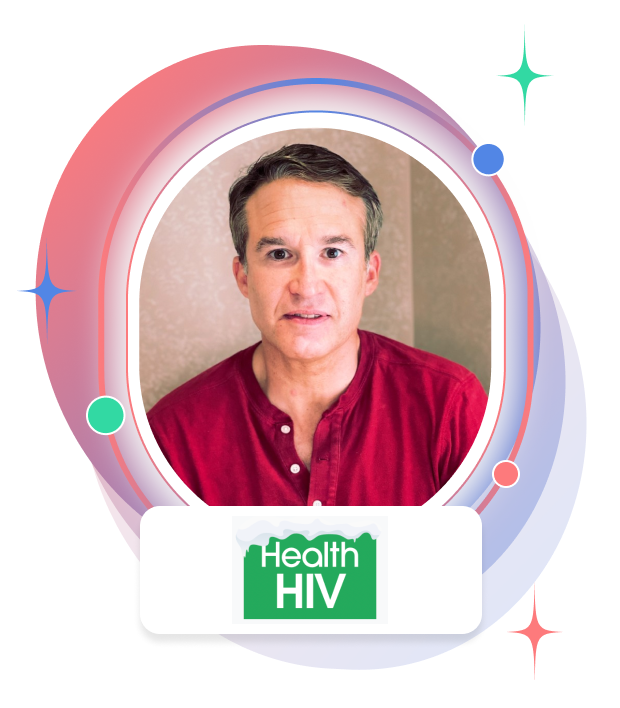
While many people might never interact directly with HealthHIV, they may encounter a clinician or other healthcare worker trained through one of its programs. As Director of Communications and Marketing for HealthHIV, Marco Winkler oversees communications activities for HealthHIV programs, including education and training for healthcare professionals and capacity‑building efforts nationwide. Under Executive Director Brian Hujich, the organization has grown from a small team to nearly 40 staff, with significant projects that include:
- Certified medical education programs in HIV prevention and care.
- Building the capacity of organizations and health professionals serving racial/ethnic minority communities and other vulnerable populations.
- The National HIV E-Learning Training Center and Partnering and Communicating Together (PACT), both funded through grants from the CDC.
- Joint accreditation to provide continuing education for the healthcare team.
Marco spends a lot of time thinking about how language lands. Campaigns like U=U and
national pushes for testing and prevention have made some impact, particularly in communities disproportionately affected by HIV and AIDS, there is still a great deal of work to do to eliminate stigma and meeting the Ending the Epidemic (EHE) goals by 2030.
Marco believes deeply in collaboration over competition — a rising tide that lifts everyone in HIV
work. A great example: HealthHIV is coordinating marketing activities with AIDS United's to co-promote their own SYNChronicity 2026 Conference alongside AIDS Watch 2026—both are taking place at the same hotel and in the same week. Instead of splitting audiences, they're sharing them — pooling energy and connections to make both events stronger.
Marco’s own style is to give people room to grow and to be honest with them. The goal is not to pretend otherwise, but to help teams navigate the challenges while keeping their eyes on the people they serve.
Learn More - https://healthhiv.org/
Bill Kubicek & Next Step: Space to Be Young, Sick, and Still Dream

Next Step works with teens and young adults who are living with serious illnesses — HIV, cancer, sickle cell disease, and others — at a stage of life when they are supposed to be figuring out school, work, dating, and independence.
Founder and Executive Director Bill Kubicek saw early on that many young people “aged out” of pediatric programs and then fell into a gap. Suddenly, they were expected to manage complex care independently, often without peers who understood what they were going through.
Next Step tries to fill that gap with:
- “Campferences” that mix camp‑style fun with workshops and support sessions.
- Song Studio, where young people work with music therapists to write and record original songs about their lives.
- Mentorship programs, including a partnership with Duke University, that pair youth with trained peers and professionals.
The organization serves about 200–250 young people each year and plans to roughly double that reach over the next few years through a blend of in‑person and virtual offerings. Some programs are diagnosis‑specific; others intentionally mix conditions so that young people can swap strategies and understand that health inequities often follow lines of race, gender, and income.
Bill emphasizes the importance of making room for failure. Many of the youth he serves have grown up in tightly controlled medical environments where adults make most of the decisions. Next Step tries to flip that by creating spaces where trying, messing up, and trying again are not only allowed but encouraged.
Bill shared his TEDxPortsmouth talk, "Born Positive: Leading the Way While Growing Up with HIV," where he reflects on the last 30 years of the epidemic through the eyes of Next Step's young leaders—teens and young adults born with HIV who are now claiming their voices, building community, and showing what resilience looks like when given the proper support. To hear Bill’s TEDx Talk, click here: https://www.youtube.com/watch?v=oemZ1DTopF4/
Learn More - https://www.nextstepnet.org/
Tyler Berl & Delaware HIV Consortium: Food, Housing, and Health
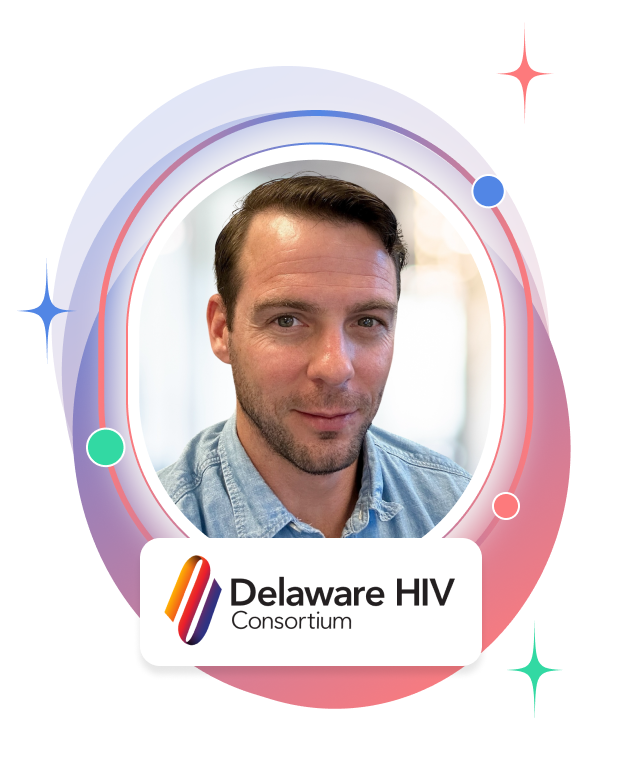
When Tyler Berl finished school, he imagined a career in communications, not HIV advocacy. But a role at the Delaware HIV Consortium pulled him into a world he barely knew, and he quickly found himself drawn to the complexity and urgency of the work. Five and a half years later, he is the Executive Director, leading an organization that sits at the intersection of HIV care, housing, and social justice in a small but diverse state.
Tyler talks honestly about “stumbling” into the field, then realizing how much it aligned with his values. What keeps him in it is simple: helping people who are too often pushed to the margins, and untangling the web of social determinants — poverty, racism, stigma, unstable housing — that can make staying in HIV care feel impossible.
The Delaware HIV Consortium focuses on clearing the roadblocks that stand between people and consistent, dignified care. Their work includes:
- “HIV testing, diagnostics, and support getting on and staying on pre‑exposure prophylaxis (PrEP) for people at risk.
- Case management and advocacy for about 10% of people living with HIV in Delaware, helping them navigate appointments, insurance, and healthcare systems that can feel overwhelming.
- Housing assistance for around 125 families, recognizing that it is hard to worry about viral load when you are not sure where you will sleep.
- Emergency financial aid, food support, and help with prescriptions, grounded in a simple belief Tyler repeats often: food is healthcare, and so is a safe place to live.
He sees every day how hunger and unstable housing can quickly push HIV care to the bottom of someone’s priority list. By providing rent support, food assistance, or help covering medications, the consortium helps people stabilize the basics so they can focus on their health again.
Talking about sustainability, Tyler is clear‑eyed about the risks of relying too heavily on government funding. Under his leadership, the consortium has been working to diversify its revenue — building program income, philanthropic grants, corporate social responsibility partnerships, and individual giving into a broader funding mix. The goal is not just to survive, but to have sufficient flexibility to respond to emerging needs or crises.
His leadership philosophy comes down to three things: surround yourself with people who know more than you do, be transparent even when the news is hard, and give your team real authority instead of hovering over every decision. He does not sugarcoat nonprofit leadership; there are tough calls, budget realities, and moments when not everyone will be happy. His advice to aspiring leaders is to step into the work because they care deeply about it, not because it looks good on paper, and to be ready to lead with both heart and backbone when the stakes are high.
Learn More - https://www.delawarehiv.org/
What These Leaders Are Seeing — and What That Means for the Rest of Us
If you step back from these seven stories, a few patterns stand out:
- Stigma still does real damage. Research links HIV‑related stigma to delayed testing, lower adherence to treatment, and higher rates of depression and anxiety. You can hear that in stories about family rejection, fear of being seen at an HIV clinic, or simply not seeing yourself in the public narrative.
- Science has moved faster than public perception. With modern treatment and prevention tools like PrEP, many new infections could be avoided, and people living with HIV can and do live long, healthy lives. But awareness, access, and trust are uneven. The result is a patchwork of progress.
- Mental health, housing, and food are not “extras.” Data from the U.S. and globally show that people living with HIV are more likely to face mental health challenges, unstable housing, and food insecurity. Organizations like Radium, PPF, AFCA, and Next Step are building those realities into their designs rather than treating them as side issues.
- Impact is felt, not just counted. Funders may ask for numbers first, and those numbers matter. But in these conversations, people kept circling back to small but specific wins: a teacher who changes how she talks about HIV, a bracelet that funds a semester of school, a youth who sings about their diagnosis instead of hiding it, a family that keeps its home.
- Collaboration is slowly edging out competition. Whether it is HealthHIV syncing schedules with AIDS United, AFCA working hand‑in‑hand with local partners, or small groups like BeeHIV+ seeking to complement larger systems, there is a quiet collaborative shift toward sharing credit, platforms, and data.
- HIV/AIDS is not the same emergency it was in the 1980s, but it is also not “over.” Each test taken, each counseling session finished, each bracelet sold, each song recorded, each young person who decides to stay in care is a small move from stigma toward strength. And put together, those moves are how change actually happens.
For companies, individual donors or volunteers, and anyone wondering where to get involved in HIV/AIDS awareness and support — whether leading campaigns, giving financially, volunteering time, or building partnerships — the message from these leaders is clear and consistent:
Start by listening to lived experience. Take stigma seriously, even when it doesn't show up on a spreadsheet. Back organizations that pair strong science with strong relationships. And think long-term—impact builds through sustained partnerships, not one-off gestures.
These stories aren't just about HIV. They're about what it takes to lead through complexity, measure what really matters, and turn individual resilience into community strength. If they spark even one new connection, one new volunteer, or one new donor, that's a win worth celebrating. Platforms like Charity Footprints can help bring awareness campaigns to life if that's the direction you choose.
Ready to leave your footprints?
Talk to the team that has helped 1,200+ organizations such as yours run amazing virtual & hybrid races.