National Veterans and Military Families Month: Stories of Service, Healing & Hope
TABLE OF CONTENTS
Introduction
Each November, the United States observes National Veterans and Military Families Month, a time to honor not only those who have worn the uniform, but also the spouses, children, and loved ones who serve and sacrifice alongside them. Behind every headline about deployments or homecomings are real people navigating grief, transition, invisible wounds, and the everyday realities of military life. Their well-being, resilience, and sense of belonging depend on a wide ecosystem of nonprofits that stand in the gap—often quietly and with limited resources.
This blog highlights four leaders and organizations that support veterans and military families in very different ways: through shelter pet adoptions, spiritual and moral healing, gaming and community for children of the fallen, and practical support for veterans and military families in crisis. Their stories offer inspiration—and practical lessons—on service, leadership, and sustainable fundraising that any mission-driven organization can learn from.
Request a Demo
Find out more about our fun, competitive and engaging virtual fitness challenges.
 Get In Touch
Beth Zimmerman & Pets for Patriots: Saving Lives Two at a Time
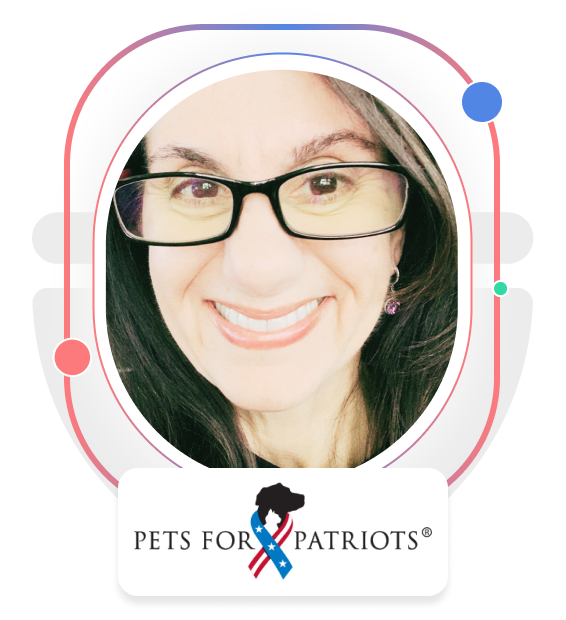
Beth Zimmerman, founder and executive director of Pets for Patriots, built her organization around a simple but profound idea: save the lives of shelter animals by giving them a new mission—supporting veterans and Gold Star spouses. Pets for Patriots connects military veterans from every era and Gold Star spouses with often-overlooked shelter animals—adult, special needs, and large-breed dogs and cats who are too often passed over for adoption. The result is a powerful bond that improves the mental health and quality of life for both veterans and pets, while easing the burden on animal shelters.
Through a network of shelter and veterinary partners operating in 40+ states, Pets for Patriots makes adoption more accessible by offering program benefits like discounted care and a “Member Patriot” welcome package. These programs help veterans manage the cost of pet ownership, especially those transitioning from service or living on fixed incomes. For many participants, an adopted pet becomes a lifeline: a source of companionship, structure, and nonjudgmental support that can reduce isolation, anxiety, and depression.
Beth’s leadership philosophy centers on “sticking to your knitting”—knowing your core competencies and staying mission-focused even as you adapt to changing circumstances. She emphasizes diversifying revenue streams rather than becoming overly reliant on any single source of funding. Pets for Patriots intentionally avoids government funding, instead building a balanced mix of individual giving, corporate and employee giving, grants, foundations, and donor-advised funds. In an era when individual giving has softened for many organizations, Beth encourages nonprofits to explore emerging avenues like cashless giving and donor-advised funds while resisting the temptation to chase every opportunity that comes along.
She also speaks candidly about perfectionism in nonprofit leadership. Holding high standards matters, but insisting on “perfect” can stall progress and exhaust teams. Beth focuses on empowering staff to make decisions aligned with the clearly defined values of Pets for Patriots, ensuring the organization’s mission guides daily choices.
Learn More - https://www.petsforpatriots.org/
Judy Elias & Heroes to Heroes: Healing Moral Injury and Restoring Hope
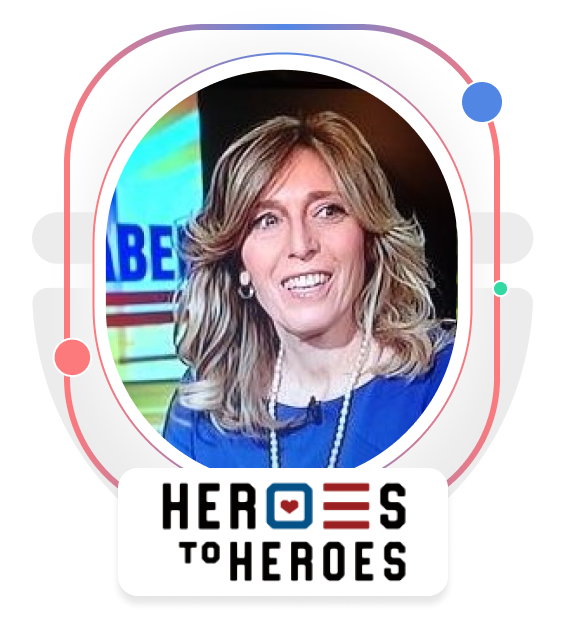
Judy Elias founded Heroes to Heroes after witnessing how conventional support programs often failed to reach the deepest wounds veterans carry—moral injury, spiritual disconnection, and a loss of meaning or will to live. Her own difficult upbringing and spiritual awakening during a formative trip to Israel shaped her belief that healing is as much about values, faith, and identity as it is about material support or clinical interventions.
Heroes to Heroes offers a 12-month, values-based program for U.S. veterans, and in some cases Israeli veterans, that blends group work, spiritual exploration, peer support, and a powerful journey to Israel. Participants engage in exercises like writing letters to God, reflecting on their values, and confronting the moral injuries that often fuel suicidal ideation. More than 523 American veterans and 162 Israeli veterans have participated in this intensive process, which helps them reconnect with their purpose, relationships, and faith.
Judy sees clear potential for adapting the core principles of the program—values, forgiveness, prioritization of relationships—to corporate and university contexts. Whether veterans or civilians, people and organizations struggle when their actions and environments are misaligned with their values. Heroes to Heroes is actively exploring new program formats that can bring this soul-level work into more settings, including project-centered experiences for university students.
From a leadership standpoint, Judy underscores how emotionally demanding nonprofit work can be, especially when serving veterans facing PTSD, moral injury, and suicidal thoughts. Unlike many corporate roles, nonprofit leaders often carry the emotional weight of life-and-death issues directly. She advocates for recognizing this burden, building emotionally resilient teams, and giving leaders the support and compensation commensurate with their responsibilities.
Judy also believes the veteran support ecosystem must move toward more unified, outcome-focused systems. Rather than simply offering services in silos, she argues that nonprofits and government programs should align on clear, measurable goals—such as sustained employment, stable housing, or long-term mental health gains—and organize around helping veterans reach those milestones. That shift, she contends, can reduce burnout among veterans and donors alike by demonstrating real progress rather than perpetuating the same problems year after year.
Learn More - https://heroestoheroes.org/
Martha & Gold Star Gamers: Gaming, Grief, and Community for Children of the Fallen

For Martha, the work of Gold Star Gamers is deeply personal. After her son lost his father to a brain tumor, gaming—especially titles like Fortnite and Minecraft—became his refuge. He built teams, formed friendships, and created spaces that honored his father’s memory. Martha realized just how critical that sense of connection and agency had been for him. She decided to transform that insight into a mission: giving children of fallen military service members a place to belong, be seen, and be heroes in their own right.
Gold Star Gamers organizes events and gaming experiences where children of fallen service members can compete, connect, and be celebrated. Their first major event in Denver brought together military esports teams and professional athletes and quickly went viral, revealing both the need and the enthusiasm for this kind of support. Beyond marquee events, the organization offers 24/7 support through a Discord server staffed by social workers and psychologists, along with mentorship, educational programming, and suicide prevention training.
Martha emphasizes that kids in her community aren’t just looking for distraction; they want to be watched, supported, and cheered on—especially by the parents they’ve lost. Gold Star Gamers creates environments where that desire is honored and where peers who “get it” can connect in ways traditional support spaces might not permit. The organization has already documented at least one life saved through its suicide prevention efforts, a reminder that seemingly “unconventional” tools like gaming can have profound impact when used thoughtfully.
From a fundraising and operations perspective, Martha is frank about the challenges. She serves as a full-time volunteer and has already reached roughly 3,000 kids with limited financial resources. Building sustainable funding while keeping programs accessible is a constant tension. In conversation with Charity Footprints, she explored potential virtual and gamified fundraising campaigns that align closely with her mission—challenges that might involve playing games with kids or streaming events as fundraisers.
For other small or early-stage nonprofits, Gold Star Gamers offers a powerful lesson: lean into what truly resonates with your community, even if it doesn’t look like a “traditional” program. By meeting kids where they already are—online, in games—and pairing that with professional support and intentional program design, Martha is building a model that combines authenticity, innovation, and impact.
Learn More - https://goldstargamers.org/
Mark Baird & Patriotic Hearts: Practical Support for Military Families in Crisis
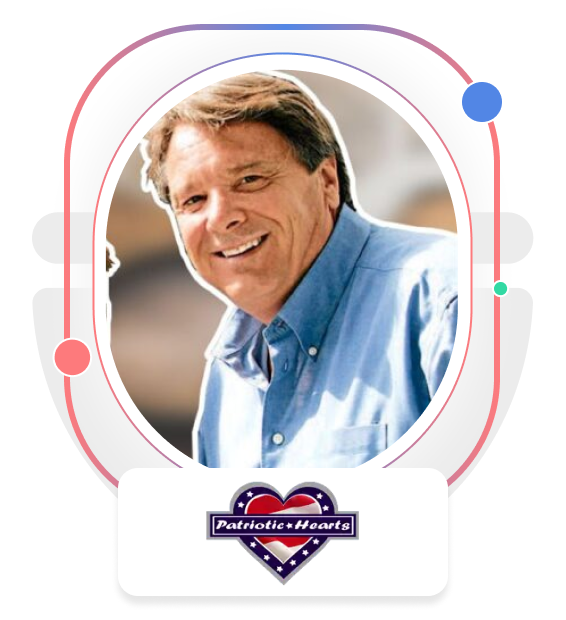
Mark Baird, founder of Patriotic Hearts in San Diego, has spent years designing concrete, often immediate support for veterans and military families facing financial and emotional crisis. Inspired by his father’s World War II service and subsequent struggles with PTSD, Mark is determined to prevent veterans from falling through the cracks.
Patriotic Hearts runs a range of programs, from employment and business development initiatives to financial assistance for urgent needs. The organization helps homeless veterans with monthly support, provides $800–$5,000 to cover critical bills through Military Families Aid, and uses community job boards and entrepreneurial training—particularly in areas like commercial cleaning—to help veterans secure reliable income. For many families, this practical help can be the difference between stability and homelessness, or between manageable stress and total crisis.
Mark’s faith-based initiative, “The Godly Way,” offers short-form spiritual content for military personnel and veterans, but he has seen participation drop sharply as traditional media channels have declined. Once able to reach around 10,000 people annually, he now reaches just a fraction of that audience, forcing him to rethink how to connect in a digital-first world. The program is currently funded by a car donation initiative, where a partner sells donated vehicles at auction and returns a share of the proceeds to Patriotic Hearts. While this revenue source has been helpful, Mark recognizes the risk of depending on a single income stream.
In conversation, he is transparent about the organization’s challenges, including improving financial transparency and external perceptions. He is also actively exploring new funding avenues, such as grants and peer-to-peer fundraising, and expressed interest in understanding how virtual races and fitness challenges could diversify income while engaging supporters more deeply.
Mark also speaks passionately about family stability in military communities. He has organized marriage retreats for veterans and is acutely aware of how combat stress, frequent moves, and long separations contribute to high divorce rates. For him, supporting veterans means supporting their families—emotionally, spiritually, and financially—so that service doesn’t lead to broken homes and long-term trauma.
Learn More - https://patriotichearts.org/
Statistics Everyone Should Know
- There are more than 16 million veterans living in the United States today, plus millions more spouses, children, and caregivers who comprise the broader military-connected community.
- Military families move an average of six to nine times during a child’s school career, which can create academic, social, and emotional challenges, especially for children dealing with a parent’s deployment or injury.
- Veterans face elevated risks for mental health challenges: estimates suggest between 11% and 20% of veterans who served in recent conflicts experience post-traumatic stress symptoms in a given year, with higher risks associated with combat exposure.
- Financial and housing instability remain a concern for many veterans, particularly those with disabilities or limited civilian work history, increasing reliance on nonprofit and community-based support.
- Nonprofit organizations and volunteer-driven programs play a critical role in connecting veterans and families to mental health services, employment, housing, and social support that public systems cannot fully provide.
Breakthroughs and Lessons for Nonprofits: Service, Storytelling & Sustainable Fundraising
Across these four stories, several common themes and practical lessons emerge for nonprofits working in the veteran and military family space—and for mission-driven organizations more broadly.
- Service Must Be Rooted in Lived Experience - Each leader began with a deeply personal connection: Beth’s understanding of mental health and the human–animal bond; Judy’s spiritual journey and empathy for moral injury; Martha’s experience as a Gold Star parent; Mark’s relationship with his father and firsthand view of veterans in crisis. This lived experience keeps their work grounded, authentic, and responsive to real needs rather than assumptions. For other nonprofits, staying close to the communities served—through direct listening, advisory councils, or peer leadership—is essential to designing programs that truly help.
- Storytelling Drives Trust and Engagement - The missions of these organizations are inherently emotional: a veteran finding healing in Israel, a child of the fallen being “a hero for a day,” a family keeping its home because a bill got paid in time, or a veteran gaining a new purpose with a shelter dog. Stories like these help donors, volunteers, and partners understand the stakes and see the impact of their support. Nonprofits can leverage storytelling in campaigns, social media, events, and peer-to-peer fundraising to turn abstract causes into tangible, relatable moments of change.
- Diversified, Mission-Aligned Fundraising Is Critical - Every leader touched on funding challenges: changing donor behavior, declining traditional media, the limits of a single revenue source, or the strain of building a nonprofit without salary. Their approaches—mixing individual giving, corporate partnerships, donor-advised funds, events, and creative initiatives like car donations—underscore the value of diversification. At the same time, they are intentional about staying aligned with their mission and values, avoiding opportunities that could compromise trust or distract from core work.
- Innovation Can Be Human-Centered and Low-Tech - Innovation in this space is not just about new technology; it is about new ways of connecting people to meaning and support. Heroes to Heroes uses spiritual journeys; Gold Star Gamers uses online games; Patriotic Hearts uses job boards and business incubation; Pets for Patriots uses pet adoption. Nonprofits should feel empowered to experiment with both high-tech and low-tech approaches, as long as they put people first and measure what truly matters.
- Collaboration Expands Reach and Reduces Burnout - None of these organizations can meet all needs alone. By partnering—whether through shared events, cross-referrals, or joint campaigns—nonprofits can pool strengths, reach more people, and reduce redundancy. When organizations collaborate thoughtfully, they show donors and communities a united front, which can in turn build trust and sustain engagement over the long term.
For nonprofits searching “how to effectively fundraise for nonprofits” or “virtual race fundraising for nonprofits” in the context of veterans and military families, these leaders’ stories suggest a clear path: start with authentic, community-rooted programs; tell your stories well; build a diversified funding strategy; and explore tools and partnerships that help supporters turn their gratitude into action.
Closing
National Veterans and Military Families Month is a moment to honor service—but also a call to action. Veterans and their families deserve communities that see them, support them, and stand beside them long after the headlines fade. The leaders featured here show what’s possible when compassion, creativity, and perseverance meet the complex realities of military and post-military life.
Their work is a reminder that meaningful change often starts small: one pet adoption, one healing journey, one gaming event, one paid bill that keeps a family afloat. When multiplied across organizations and communities, those moments add up to a powerful expression of gratitude in action.
As your audience reads, they are not just learning about these organizations; they are being invited to reflect on how they, too, can serve—whether as donors, volunteers, partners, or fellow nonprofits committed to walking alongside those who have already given so much.
Ready to leave your footprints?
Talk to the team that has helped 1,200+ organizations such as yours run amazing virtual & hybrid races.